

By Samuel C. Ibeh
The 2027 general elections in Nigeria ordinarily ought to have been a referendum on the weak performance of this extant government and its systematic adherence to its Renewed Hope agenda—an agenda that has largely multiplied poverty, increased social dislocation, and made insecurity more widespread.
Instructively, these elections ought to be judged on the impact of the government’s reforms and how the Nigerian people have fared under the weight of higher interest rates, higher fuel prices, and higher exchange-rate policies, with their twin manifestations of escalating inflation and deepening poverty.
From the foregoing, it is incongruous that it is the chief opposition politician, Peter Obi, who has been subjected to greater scrutiny over his record as governor—a gubernatorial tenure that expired thirteen years ago.
Peter Obi has stated with clarity, buttressed by several pieces of incontrovertible evidence, that he left over US$155 million and N36 billion in savings and strategic investments for Anambra State. Yet, the APC government has refused to address the yawning gap between its reforms and the increased incidence of poverty in Nigeria.
A huge section of the media and many paid social media influencers have refused to hold the government accountable or demand that it justify its quest for a second term. Instead, there has been enormous pressure on Peter Obi to explain multilateral debts unconnected with his direct imprimatur as governor. Yet, the media is falling for the trick.
The role of the media is to hold governments accountable, scrutinise records, and investigate infractions by those in government. In this instance, however, the reverse is what obtains. The compromised media buffets Peter Obi endlessly while allowing the government a pass.
They ignore several critical talking points: the failure of Mr. President to attend the United Nations General Assembly; the weak response to insecurity; the multiple kidnapping incidents across Nigeria; escalating corruption across various spheres of government; the unhinged desecration of law and order; increased and multiplying poverty and social disharmony; and government opacity in financial and budgetary management.
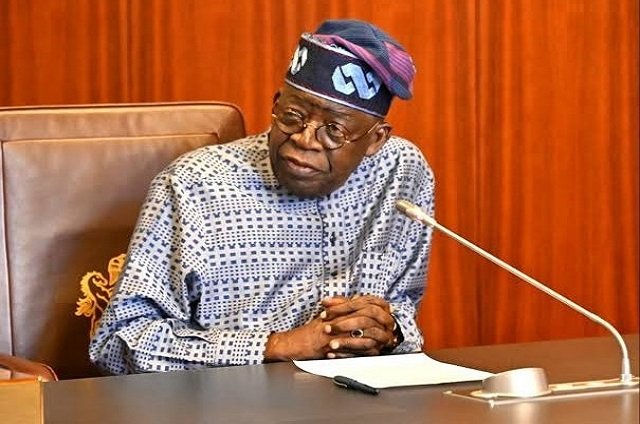
Several areas ought to be investigated and brought to the attention of the Nigerian public to illuminate the glaring failures of the Tinubu administration. Yet, Tinubu’s media handlers and their accomplices in the mainstream media have reduced the elections to a referendum on Peter Obi’s thirteen-year-old record as governor, the cost of Mrs. Peter Obi’s bags, and other inanities that bear little or no correlation to the wellbeing of the Nigerian people or the state of the Nigerian economy.
The Obedient Movement, Peter Obi’s handlers, and his communications team must refocus the campaign and its arguments. They must pay attention to the obvious failures of government and, by so doing, advance the cause of good governance in Nigeria.
**Engr. Samuel C. Ibeh, a good governance advocate and strategist, writes from Lagos, Nigeria.