

By Uba Onyekachi Peter, Esq
In politics, campaign promises often dominate public discourse. Yet, it is tangible development projects that ultimately define the legacy of elected leaders. For the people of Isuikwuato and Umunneochi Federal Constituency, the official flag-off of the Operation Light-Up Isuikwuato/Umunneochi Project is being celebrated as another demonstration of what purposeful representation can achieve.

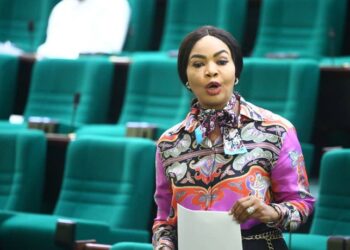
The inauguration of the project on June 30, 2026, marks more than the commencement of another infrastructure initiative. It reflects the sustained commitment of Dame Hon. Barr. Nkeiruka Onyejeocha, Ph.D. (Adaejiagamba), to improve the quality of life in her constituency through strategic engagement with federal institutions.
The solar street lighting project, facilitated through the Niger Delta Development Commission (NDDC), is expected to illuminate major roads and communities across Isuikwuato and Umunneochi. Its benefits are both practical and far-reaching. Improved lighting will enhance public safety, support local businesses by extending commercial activities into the evening, strengthen security, improve access to essential services, and contribute to a more attractive and modern environment.
Perhaps the most remarkable aspect of the project is its timing. Dame Onyejeocha is no longer serving as the Minister of State for Labour and Employment, yet she was still able to facilitate a major federal intervention for her constituency. To many observers, this underscores the value of experience, influence, and enduring relationships in public service. It also suggests that effective leadership does not necessarily end when an officeholder leaves executive office.
This development reinforces an important lesson about representation. Constituencies benefit most when their representatives possess not only legislative competence but also the capacity to build strategic partnerships and attract meaningful investments. Development rarely happens by chance; it is often the product of sustained advocacy, political goodwill, and a genuine commitment to the people.
As the political atmosphere gradually builds toward the next general elections, constituents will once again evaluate those seeking their mandate. While political preferences and party affiliations will inevitably shape public debate, performance should remain a central consideration. Infrastructure, social interventions, and measurable improvements in people’s lives provide objective standards by which leaders can be assessed.
Supporters of Dame Onyejeocha argue that her record speaks for itself. They point to the Light-Up Isuikwuato/Umunneochi Project as evidence of her ability to deliver impactful projects and maintain relevance within national governance circles. In their view, her continued capacity to attract federal interventions strengthens the case for returning her to the House of Representatives.
Ultimately, democracy rewards informed choices. If the people of Isuikwuato and Umunneochi desire accelerated infrastructure development and stronger federal presence in their communities, they must carefully examine the records, capacity, and vision of those seeking to represent them. And when they do, they will most certainly discover that Hon. Barr. Nkeiruka Onyejeocha, Ph.D. (Adaejiagamba), is the right person to be in the Green Chambers come 2027.
For many residents, the illumination of streets across the constituency represents more than the installation of solar-powered lights. It symbolizes hope, progress, and the belief that dedicated leadership can continue to transform communities. Whether that momentum is sustained will depend not only on the commitment of leaders but also on the choices voters make at the ballot box.
**Uba Onyekachi Peter, Esq. writes from Lomara, Isuochi