

By Samuel Ibeh
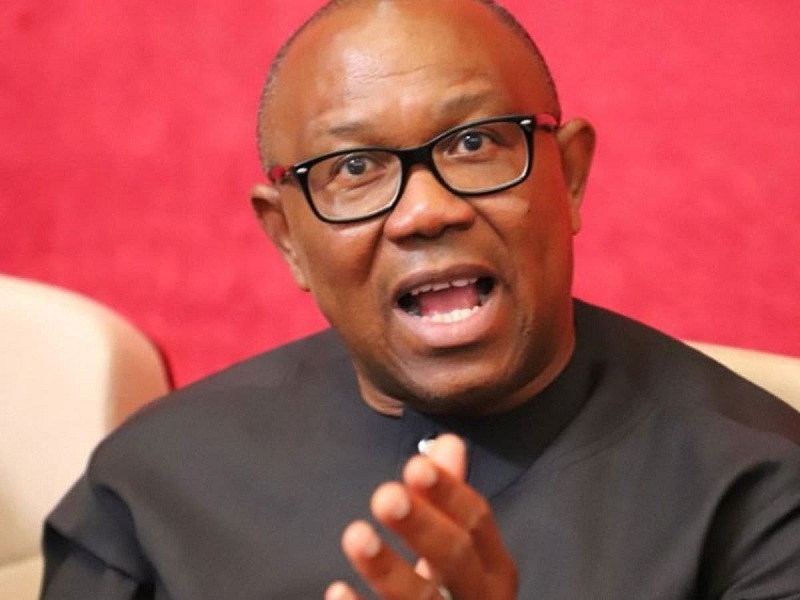
The sustained and coordinated attacks on the person of Peter Obi by the ruling APC are not happenstance; they are deeply revealing. They point to a political establishment unsettled by his extraordinary showing in the 2023 presidential election.


To many Nigerians, that election remains contested in both memory and meaning, with a significant number convinced that Obi’s mandate was compromised. Yet even by official figures, his 6.1 million votes stand as a remarkable political feat—achieved without the backing of entrenched party structures, sitting governors, or institutional machinery. It was, by every measure, a people-driven movement that disrupted Nigeria’s traditional power calculus.
As the 2027 elections draw closer, the pattern has become clearer: systematic efforts are underway to constrain Obi’s political pathway. From the lingering leadership crises that engulfed the Labour Party, to the obstruction of attempts to register a new political platform, and now the instability surrounding the ADC upon his association with it—these are not isolated developments.
They form a troubling sequence of political roadblocks. Yet, Obi’s calculated pivot to the emerging National Democratic Congress (NDC) signals resilience and strategic depth. Rather than retreat, he continues to adapt, reposition, and expand his political reach.
What makes Peter Obi particularly formidable is not just his message, but his momentum. In 2023, he secured victories in 11 states and the Federal Capital Territory, nearly matching the eventual winner’s state tally, without traditional structures. His dominance in the south and his deep resonance with Nigeria’s youth demographic represent a new electoral force that the old order struggles to contain. When combined with the northern grassroots strength of Dr. Rabiu Kwankwaso, a new political equation begins to emerge—one capable of redrawing Nigeria’s electoral map in unprecedented ways.
The growing wave of defections into the NDC underscores this shifting reality. It reflects not just political opportunism, but a recognition of rising influence. While it is still early, the signals are unmistakable: Nigeria is heading toward a fiercely competitive electoral cycle.
With Obi consolidating the South and energizing young voters, and Kwankwaso strengthening northern grassroots appeal, the alliance presents a credible and potent challenge to the incumbent order. The anxiety within establishment circles is, therefore, unsurprising—because for the first time in a long while, the presidency may no longer be theirs to dictate, but the people’s to decide.
***Engr. Samuel C. Ibeh, a Finance, Politics & Strategy analyst, writes from Lagos