

“At the end of the day, the most potent weapon in the hands of the oppressor is the mind of the oppressed.” — Nelson Mandela
Abia State is standing at a defining crossroads in its democratic journey, and Umunneochi Local Government Area occupies a critical place in that moment. The progress being witnessed today did not come by chance; it is the result of deliberate leadership, responsible governance, and the conscious decision of the people to reject the old order of deception and impunity.

That is why recent reports of vote buying, pre-election fraud, and the attempted manipulation of voters in Umunneochi must be firmly and unequivocally condemned.
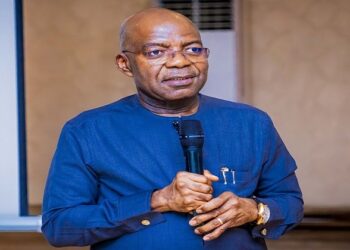
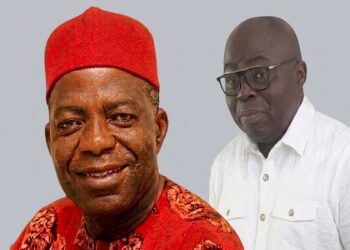
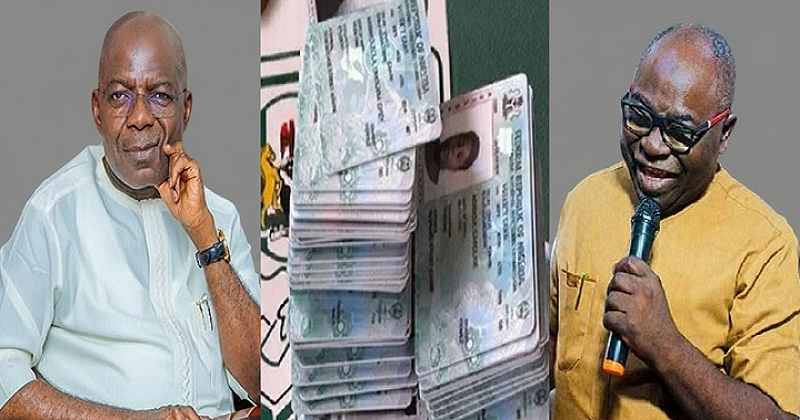
There is no serious debate about the fact that Governor Alex Otti is doing a great job. Across Abia State, governance has taken a refreshing turn—characterized by transparency, prudent management of resources, infrastructural renewal, and a people-centred approach to leadership.
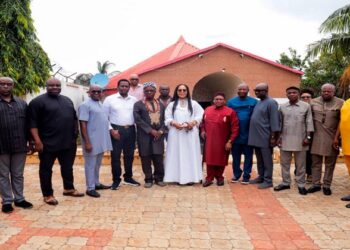
In Umunneochi, the dividends of this new direction are evident, and the people are openly happy with both the Governor and the Executive Mayor of the Local Government, Chief Sunny Afurobi. This growing confidence in leadership is precisely what has unsettled certain opposition elements. German playwright, Bertolt Brecht captured it succinctly when he said, “When people are well governed, they have little need for heroes.”
Unable to challenge performance with performance, some opposition politicians, already threatening to “take over power” in 2027, appear to have embraced desperation as a political strategy. Rather than present credible ideas or an alternative vision, they are allegedly resorting to crude inducements, manipulation, and outright fraud. This is not political competition; it is an attempt to corrupt the democratic foundation of Abia State from the grassroots.
Disturbing reports from across Umunneochi LGA suggest that individuals have been moving secretly from house to house at night, coercing unsuspecting residents to surrender their Permanent Voter Cards (PVCs), voter card numbers, and even National Identification Numbers (NIN). These actions are reportedly carried out under the false guise of a non-existent “empowerment programme,” designed solely to harvest sensitive voter information and compromise future elections.
Even more alarming are allegations that residents are being lured with extravagant but empty promises—claims of imminent skyscraper projects, food items such as bags of rice, and cash inducements of ₦100,000, allegedly to be paid monthly for one year. In some instances, town criers are said to be used to summon people to designated venues where they are exploitatively “processed.” This is a deliberate attempt to reduce citizens to commodities in a dangerous political transaction.
The deception escalated further with the circulation of a voicenote allegedly made by one Ike Salem Ifeanyichukwu, calling on people of Achara to go to their polling units with their PVCs and NIN to enroll for a fictitious Federal Government ₦100,000 monthly empowerment scheme. This was followed by another voicenote from someone claiming to be an agent assigned to conduct the enrollment, again instructing residents to come with their PVCs and NINs.
There is no such Federal Government programme. These actions form part of a broader, calculated process of electoral fraud. This is how democracy is stolen—not in one dramatic moment, but through quiet compromises, misinformation, and the gradual erosion of public vigilance.
The plot to take over Abia State “by all means” may just be beginning, but Ndi Umunneochi must refuse to be willing tools in the hands of agents of darkness and enemies of progress.
To his credit, the Executive Mayor of Umunneochi LGA, Chief Sunny Afurobi, has issued a stern and timely warning to residents, condemning what he rightly described as “uncivilized, fraudulent, unethical, and unwholesome” activities allegedly being carried out by certain politicians. This intervention reflects responsible leadership and must be supported by all well-meaning stakeholders.
However, the burden of defending democracy cannot rest on government alone. This is a moment that demands collective moral leadership. Community leaders, Presidents-General of town unions, traditional rulers, and religious leaders across Umunneochi must rise with one voice to condemn these shameful practices.
As custodians of communal values and conscience, they have a sacred duty to sensitize the people, especially the elderly, the poor, and the politically vulnerable, on the grave dangers of surrendering their PVCs and NINs. These documents are not tools for “empowerment”; they are instruments of citizenship and self-determination.
Vote buying is not charity; it is theft. It steals the future of communities, mortgages development, and entrenches incompetence. When people sell their votes, or allow their voter information to be compromised, they also sell their voice, their dignity, and their right to demand accountability. No bag of rice, no midnight cash, and no imaginary empowerment scheme can replace good governance, sustainable development, and lasting progress.
Umunneochi people are not ignorant of what is happening in Abia State today. They can see the level of development. They know that leadership is working. That is why Ndi Umunneochi must resist every attempt to buy their conscience, their future, and their destiny by cynics who cannot see beyond their personal ambition.
The call, therefore, is clear and urgent. Umunneochi must say NO to vote buying. NO to intimidation. NO to pre-election fraud. Families must warn their members. Churches must speak out. Town unions must educate their people. Traditional institutions must stand firm. Every resident must protect their PVC and guard their NIN.
Democracy survives not because politicians are honest, but because the people are vigilant. And history will remember Ndi Umunneochi not for how much they were offered, but for how firmly they stood to defend their future.
Like John Lewis would say, “The vote is precious. It is almost sacred. It is the most powerful non-violent tool we have in a democratic society.”